
Every missed shot has a reason. Too far left, too short, too flat—each miss tells you something about your mechanics. The good news: shooting is a skill, not a gift. And the fundamentals haven’t changed since the game began.
This guide breaks down proper shooting form into four components—Balance, Elbows, Eyes, Follow-through—that you can practice today. You’ll learn why most players miss, how the greats train their shot, and the mental approach that turns practice reps into game-day confidence.
Whether you’re working on layups, free throws, mid-range pull-ups, or three-pointers, every shot shares the same foundation. Master these mechanics, and you’ll shoot with accuracy from anywhere on the floor.
The problem is most players never invest the time to learn, practice, and master shooting properly. This guide takes you from understanding the basics to practicing the right way—so you can shoot accurately under pressure.
Part 1: The Mechanics
The BEEF Technique: Basic Shooting Form
The BEEF concept breaks down every shot into four components:
- Balance — Your foundation and body position
- Elbows — Alignment with the rim
- Eyes — Focus on the target
- Fire — Release and follow-through
These four elements apply to every shot you’ll ever take—layups, free throws, mid-range jumpers, three-pointers. Learn them once, apply them everywhere.
Balance: The Foundation of Every Shot

It’s simple: you miss most of your shot attempts because your shooting motion lacks balance and rhythm.
If proper shooting is science, then balance is about physics. It’s the motion, momentum, and mechanics between your body, the ball, and the basket. A great shooter understands this.
Proper balance prevents you from bricking your shot too far left or too far right. It prevents you from giving the shot too little power or too much. Balance centers you so you can shoot the ball in a straight line to the center of the rim. Balance is how you shoot with precision.
Key Cues for Balance
- As you catch the ball or pick up your dribble, drop your feet immediately
- Chop your feet in a one-two step motion or land both feet simultaneously on the balls of your feet
- Plant both feet shoulder-width apart; keep heels off the ground
- Square both your shoulders and your feet with the rim
- As you step into your shot, create a straight line between your right heel and left toes
- Line up both feet with the rim: left foot with the left arc of the rim
- Bend your knees and hips straight down
- Invert your knees and feet slightly (see Dirk’s stance below)

Notice the width in Dirk’s feet right before he dips low with his knees. His feet aren’t flat—his heels are up and will go slightly higher as his knees come down. Both feet are shoulder-width apart.
If you’re ever struggling to shoot the ball well, remember that Klay Thompson credits balance for his fluid shooting motion and high percentage.
Timeless Principle: In high-pressure games, great shooters maintain focus on taking shots where momentum is taking them toward the basket—not away from it.
Elbows: Aligning Your Shot with the Rim
Shooting coach Dave Hopla believes bad elbows are the reason most players shoot poorly. Even pros like Joakim Noah are guilty of it. Most players don’t realize the importance of elbows in aiming your shot and releasing the ball on target.
Once you’re balanced and ready to fire, lift the ball with your elbows in alignment with the rim. For most players, the natural shooting position is 90 degrees between hand and elbow, aligned with the knee. Some players like Ray Allen, Reggie Miller, or Peja Stojakovic have a wider elbow stance.
It’s not impossible to shoot well with elbows out, but if you do, you have to over-correct with other mechanics in your shooting arm to shoot accurately.
Elbow Positions That Matter
- Basket alignment: Line shooting elbow to the center of the rim (diagonal)
- Body alignment: Line shooting elbow with your knees (vertical)
- Vision alignment: Shooting elbow up to your eye level (horizontal)
- Hand-to-elbow angle: 90 degrees for optimal arc and release
All of these placements matter because the elbows help you release the ball with proper arc, distance, and trajectory.
Elbow placement also helps you center the ball in your shooting hand so you don’t shoot gripping the side of the ball.
Your non-shooting elbow should remain relaxed to prevent power coming from the wrong side of the ball. The main purpose of the guide hand is to stabilize the shot and help release the ball on target.
Eyes: Where the Shot Goes
It sounds obvious, but in the heat of the moment, players often rush their shots—shooting the ball at the hoop, but not into it. A great shooter is able to shoot into the rim with precision.
Your eyes must be locked onto the target—the bullseye part of the rim—every time.
Even when Michael Jordan shot that famous free throw with his eyes closed, his mind’s eye was locked on the target.
When good shooters practice, they’re aiming to make every basket.
When great shooters practice, they’re aiming to swish every basket.
There’s a mental difference. Sharpshooters don’t just want to rattle the ball into the basket—they want to become so precise that they hit bullseye every time. That’s why most of Steph Curry’s made baskets are crisp swishes that barely touch the rim.
Tips for Eye Focus
- You can see and aim for the bullseye part of the rim from anywhere on the court
- Your eyes can deceive defenders—master eye movement to master pump fakes
- There’s no red dot in the dead-center of the rim, but you can train yourself to see it with practice


Dwyane Wade demonstrates how eyes sell the pump fake—look at the rim like you’re shooting, and defenders bite.
Follow-Through: Firing the Shot
Once you commit to the shot, fire it and hold your follow-through every time. No hesitation.
Grip the Ball with Your Finger Pads
Avoid using your palm—otherwise the ball sticks and prevents you from lifting the shot, forcing you to push it instead. Using the tips of your finger pads helps you release the ball with proper arc, distance, and trajectory.

Spread Your Fingers Wide
Spreading your fingers prevents the ball from spinning out left or right, giving you a straight shot and proper backspin.

Release with Your Shooting Hand Only
When it comes to your release, two hands are not better than one. In archery, you don’t pull the trigger with two hands. The shooting hand fires; the guide hand guides. Shooting the ball with two hands complicates things. Train the shooting hand for power, the guide hand for precision.

Flick with Your Index and Middle Finger
Tim Grover, Michael Jordan’s trainer, believes you shouldn’t use all five shooting fingers equally—just the thumb, index, and middle finger. Limiting your shot release to three fingers gives you better control over the flight of the ball.
Grover felt so strongly about this that he developed the Splytter Shooting Aid to help players train their index and middle finger to stay wide and strong during the shot.
Many shooting coaches today teach that the index finger should be the last to touch the ball before it flies to the rim.

Keep Your Elbow Raised and Straight
If you do this correctly, it’ll be easier to wrinkle your wrist as you cock back your shooting hand with the ball.
Wrinkle Your Wrist
Catapult your wrist back far enough to see a wrinkle on your wrist. Getting your fingers and elbow under the ball gives you greater momentum to finish your follow-through.
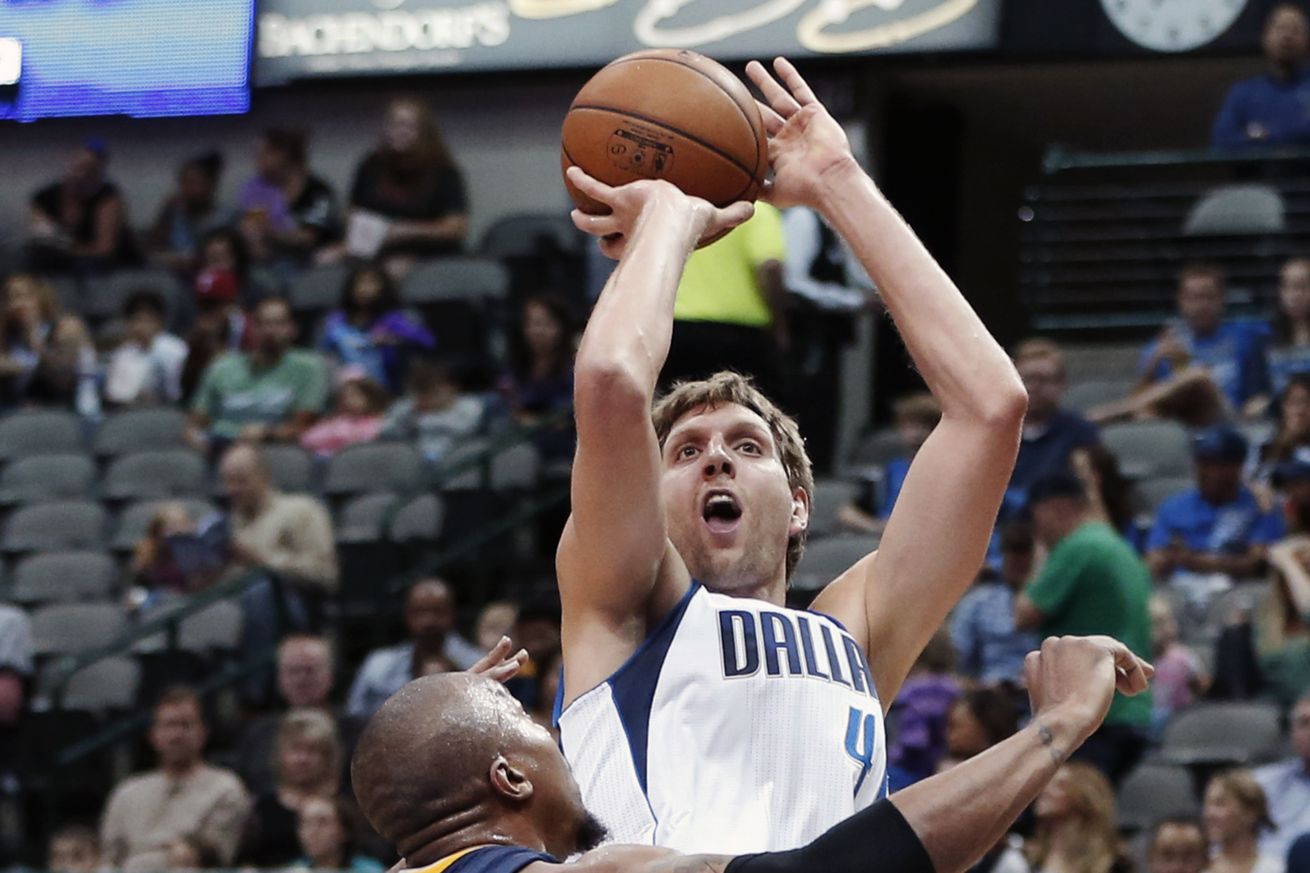
Finish with a Flick Every Time
Hold your follow-through until the ball reaches the rim. Every shot. No exceptions.
Putting It All Together: The Complete Shooting Motion
The BEEF shooting technique is made up of many smaller motions—too many to focus on during games. However, you can develop each element through deliberate form shooting, focusing on one mechanic at a time.
The Full Sequence
- Hold the ball as you prepare to go into your shooting motion
- Chop your feet immediately to gain balance
- Bend your knees shoulder-width apart to center yourself
- Position your shooting hand, elbow, knee, and foot with the front of the rim
- Lift the ball, raise your elbow up to eye level for a high release point
- Line your eyes with the bullseye of the rim
- Keep your dominant hand and elbow perpendicular—90 degrees
- Secure but relax the ball on the index and middle finger pads
- Let the ball fly with a full flick of the wrist
- Hold the follow-through
A great basketball player develops good form and strong shooting skills only after thousands of repetitions in practice. The best part about form shooting drills: they’re so close to the basket that you’re not chasing long rebounds all over the court. You can literally shoot 1,000 shots in less than 30 minutes of practice.
Part 2: The Shooter’s Mindset
Mechanics get you started. Mindset keeps you going. The mental side of shooting is what separates players who can make shots from players who do make shots—in games, under pressure, when it counts.
Growth Mindset and Comfortable Shooting
Start with the belief that like you, your jump shot is a constant work-in-progress. Don’t focus on labels and other self-limiting beliefs. Accurate, natural, comfortable shooting takes years of continuous improvement. Stay the course.

If you believe you can become a good shooter, you will. Avoid the fixed mindset.
The problem with a fixed mindset: you’ll eventually be right, achieve your small goals, and then stop growing, stop learning, and stop competing.
The Questions Great Players Ask
Why do you play?
What do you enjoy about the game?
Who are you really competing and playing for?
The truth is that ball players fall into two groups: players with a fixed mindset who hoop “just because” and players with a growth mindset who hoop for deeper, more purposeful reasons.
One group makes up about 99% of the population; the other only 1%. And it’s not because of born talent. It’s a choice you can make as a kid, as a young adult, or as a grown man or woman. The choice begins with the right questions.
Know Your Reality
Grade school students: Do you play on your school’s team? Do you compete in youth basketball leagues? Is your goal to play for your high school team? Or do you simply play for fun during recess with your friends?
High school students: Do you play casually because it’s fun, or because you’re on the team? Is playing college ball your goal?
College students: Do you play at your school’s rec center? In intramural leagues? Or do you play on your college team with the goal of going pro?
Working professionals: What brings you back to the gym or to local leagues? Do you still play regularly, or are you too busy with work, family, and other priorities?
Set your own goals and go one day at a time. It’s okay if you don’t make it to college, the NBA, or the WNBA. Better to keep trying and working than to give up and let time pass you by.
Basketball May Be Life, But Life Isn’t Only Basketball
The truth is most of us won’t hoop for a living. Our priorities come first, as they should: leading a family, completing your education, advancing in your career, looking after your health, managing your time and money wisely.
Which means that right around the time after college, your commitment to basketball decreases.
Nobody escapes this law of life. But still, most of us stop setting foot in the gym because we’re making excuses.
Keep the growth mindset active by making time to hoop, and you’ll see the dividends pay off off-the-court in these other areas of life.
Like Kobe and others have noted, basketball isn’t a game of checkers but chess. If chess can develop life skills, so can basketball.
Becoming a Student of the Game
People may call you a winner, and that might boost your ego.
People may call you a loser, and that might bruise your ego.
But when you see yourself as a student, your ego is subdued, neutralized, and out of your way.
Remind yourself this message over and over during hot streaks and cold slumps. Never too high, never too low.
“The journey of a thousand miles begins with a single step.”
— Lao Tzu
The Full Game: Shooting Is Only Part of Playing
What do good shooters do when they don’t have the ball—on both ends of the floor—that helps them shoot better?
R&B: Rhythm and Breathing.
On defense and offense, players spend about 90-95% of the time without the ball. The constant movement requires bursts and drifts, backpedals and sprints, long strides and choppy steps, straight-line cuts and straight-up jumps.
The smarter you expend your energy, the steadier you breathe, and the more you shoot with confidence, balance, and ease. These are the qualities of all great shooters, no matter how different their forms look.
On Offense and Defense
Good shooters move well off-the-ball to free themselves up for open shots. When they make those, they open up more opportunities for the rest of their offense due to increased spacing. On the other end, playing solid defense and grabbing rebounds helps shooters find rhythm and confidence—which helps them on good nights and bad.
Small Changes, Big Gains
What small steps can you take to see gradual improvement in shooting accuracy?
By breaking down each part of the shot into tiny steps—from the initial crouch to the final follow-through—you can understand how your mind trains muscle memory. Simply correcting the way you see the rim or complete the follow-through can make a big difference in short-term and long-term results.
There’s No “Perfect” Shooting Form
In shooting, the most popular question is: What’s the best form?
There’s no such thing as a form that’s perfect. It’s about discovering one that allows you to take a good shot every time you let the ball fly.
Appreciating Those Who Shatter Ceilings
We can sit around on our phones criticizing those who make it to the big leagues—players, coaches, journalists, referees, managers. After all, basketball is a spectator sport.
But remember this from Teddy Roosevelt:
“It is not the critic who counts; not the man who points out how the strong man stumbles, or where the doer of deeds could have done them better. The credit belongs to the man who is actually in the arena, whose face is marred by dust and sweat and blood; who strives valiantly; who errs, who comes short again and again, because there is no effort without error and shortcoming; but who does actually strive to do the deeds; who knows great enthusiasms, the great devotions; who spends himself in a worthy cause; who at the best knows in the end the triumph of high achievement, and who at the worst, if he fails, at least fails while daring greatly, so that his place shall never be with those cold and timid souls who neither know victory nor defeat.”
— Theodore Roosevelt
Appreciate those who make it to the top of any sport or profession—it’ll inspire you to keep pursuing your own goals.
Our parents, teachers, and friends will always be our closest role models. But the athletes who feel so distant aren’t that far away: we can learn plenty from them in our own living room about excelling at anything—whether it’s shooting a basketball better or handling adversity at a young age.
Shooting Is the Most Fun Skill in Basketball
All seriousness aside: what’s more fun than shooting a basketball and swishing the net?
Being able to shoot layups, shots from the free throw line, the three-point line, and everywhere in between is one of the greatest feelings anyone can experience. Do you really need motivation to work on your shot? It’s a feeling that never gets boring, even if you’re the gym rat launching 500+ shots per day.
Part 3: Practice and Application
Form Shooting: The Foundation Drill
Form shooting is the most important drill in basketball: you shoot dozens and dozens of shots during warm-up or practice, from 3-5 feet in front of the rim, to develop your shooting technique from start to finish.
It’s a boring drill because it’s easy to make shots from close to the basket. But it’s a smart drill because it’s the quickest way to improve your mechanics, build muscle memory, and master your shooting motion so you can shoot accurately from far away.
Shooting is made up of many tiny mechanics. When practicing form shooting, focus on each mechanic one at a time until you start to shoot like a confident, natural shooter.
Timeless Principle: A great shooter takes more form shots than anyone they know, so they shoot better than everyone they know.
Why? Because most players, from the first time they pick up a ball, start outside-in—not inside-out. They practice hero shots and develop bad habits. They don’t work on their form. They don’t pay attention to technique. Most don’t even know form shooting exists. Standing and shooting in front of the rim isn’t as exciting as shooting from beyond the three-point line.
Great shooters get it. They only shoot away from the basket after they master shooting drills in front of the rim.
Look at the technique of the world’s greatest shooters—Ray Allen, Steph Curry, Kyle Korver, coach Dave Hopla. They all swear by form shooting near the basket.
Practice recommendation: Before every warmup or practice, put up 25, 50, or 100 form shots to develop proper shooting habits. If your shot is off, put up form shots in between quarters or pickup games.
Shooting Around vs. Working Out
Are you shooting around or working out when you practice in the gym? Are you intentional, or are you on the court just for fun?
There’s no wrong answer. But if you want to become an effective shooter, you need to be intentional.
You need to finish your drills. Do them at game speed. Once you commit, no self-negotiation.
Jump Shot Varieties
Point blank range, short range, mid-range, and long-range three-point shots. Finding your sweet spots from each scoring area of the half court.
Comfort and confidence in getting each shot off with your most natural and accurate form are key—whether you’re taking layups, free throws, bank shots, or jump shots from beneath or beyond the three-point line.
Learn about different types of basketball shots →
From Manual to Automatic
What is an automatic jump shot and how do you develop one? By taking your manual out of it.
Once you can shoot a basic jump shot with good form, you need to automate it. You need to shoot without thinking. And you need to do it against easy and tough competition alike.
Learn how different pros develop their automatic shot →
Taking Good Shots in Games
You can mix up your workouts with a wide variety of shots—fade-aways, turnaround jumpers, half-court chucks—but remember that these are rarely good shots to take in games.
You’re not Kobe or Jordan. As much fun as it is to emulate their shots, every shot you take must be a disciplined good shot.
In your shooting workouts and drills, work on LONHOBIRS:
- Layups
- Or
- No-Hand (in your face)
- On-Balance
- and
- In-Rhythm
- Shots
Learn more about LONHOBIRS shot selection →
Learning from Film
How can you learn more about shooting by watching film or games on TV of your favorite shooters—or of yourself—to detect corrections and improvements?
Pay attention to the details in slow motion and understand what helps and hurts shooters. Film helps players shoot better through the power of visualization.
How to study shooting on video:
- Watch your favorite players shoot or perform drills on YouTube at slow speeds (0.50x normal speed)
- Study how they bend their knees as they prepare to shoot—whether it’s a free throw or a three-pointer
- Watch how they raise their shooting arm
- Notice their follow-through and how long they hold it
Measuring Your Progress
If you want to improve, you need baselines and goals: where you were yesterday, what you practice today, and how you perform tomorrow. You need to know your numbers.
Routine Basketball Habits
How can you make more time—while having jobs, classes, and personal responsibilities—to get to the gym regularly and get your workouts in?
Motivation is overrated.
What you really need to start and keep regular gym habits is a routine that integrates well into your schedule—one you can’t afford to give up.
Read about developing productive shooting habits →
How to Catch Fire in Games
Remember when Klay Thompson torched the Kings defense by scoring 37 points in a single quarter?
Fire is a state of mind more than a spontaneous combustion that happens randomly. Shooters have to believe they’re always on fire—even when they’re not. This confidence leads to more games with consistently sharp shooting.
If you practice shooting your shot enough from different spots on the floor, with different release points, and under challenging practice conditions, you will gain more confidence. You’ll understand the importance of faking when needed and being confident in your shot at all times.
Resources
Shooting Devices and Training Aids
A ball and a hoop are all you need to work on your shooting. But incorporating tools into shooting drills has helped players over a long period of time. Use them to supplement your basketball workouts.
How Your Favorite NBA Players Shoot
Study the greats. Each has a different form, but all share the same fundamentals.
- Steph Curry Jump Shot
- Kobe Bryant Jump Shot
- Ray Allen Jump Shot
- Michael Jordan Jump Shot
- Peja Stojakovic Jumper
- Reggie Miller Jumper
- Dirk Nowitzki Jumper
- Joakim Noah Jumper (what not to do)
- Klay Thompson Jumper
Becoming a Great Shooter
Learning how to shoot a basketball isn’t just about making the ball go in. It becomes a pursuit—and through that pursuit, you better appreciate the game, the greatness of legendary players, how they practice, and how you too can practice like them.
The fundamentals never change. Master the basics first. Then do it again tomorrow.
Frequently Asked Questions
What does BEEF stand for in basketball shooting?
BEEF is an acronym for the four components of proper shooting form: Balance (stable base, feet shoulder-width), Elbows (aligned with the rim at 90 degrees), Eyes (focused on the center of the rim), and Follow-through (flick wrist, hold finish).
What is form shooting in basketball?
Form shooting is a drill where you shoot from 3-5 feet in front of the basket, focusing on proper mechanics rather than distance. It builds muscle memory and helps you master your shooting motion before moving further from the rim.
Which fingers should touch the ball last when shooting?
Your index and middle finger should be the last to touch the ball. Tim Grover, Michael Jordan’s trainer, taught that limiting your release to these two fingers (plus thumb for stability) gives you better control over the ball’s flight.
How many form shots should I take before practice?
Aim for 25-100 form shots before every warmup or practice session. Because you’re shooting close to the basket, you can complete this quickly—1,000 shots in under 30 minutes is possible with form shooting.